Sign Up For 15% Off HERE
National parks preserve some of the most spectacular views in the nation, and it's easy to understand why after visiting Capitol Reef National Park. Nestled between several Utah mountains and plateaus to the west and Canyonlands National Park to the east, Capitol Reef features three main areas: Fruita and the North and South Districts. Cathedral Valley sits in the North, while Waterpocket Fold calls the South District home. As you explore the must-see sights and search for signs of cougars, mule deer, desert bighorn sheep, golden eagles, desert spiny lizards, and other wildlife, RV camping in Capitol Reef National Park gives you the full experience. Harvest Hosts has plenty of locations within an hour of the entrances where you can park your RV overnight at a working farm, brewery, or distillery.
Harvest Hosts is a membership program for RV camping: unlock unlimited overnight stays at thousands of locations.
Learn MoreCapitol Reef National Park is open year-round, and typically busiest in spring and fall. Trees in the Gifford, Chesnut, and Mulford Orchards surrounding the Fruita Campground bloom in spring, and visitors can pick the fruit once ripened. From March through June and in September and October, the weather is ideal for hiking; the most popular times to backpack in Capitol Reef are March through May and October. The summer monsoon season rules the park from July through September. Visit on weekdays or during the colder months to avoid the crowds. The North and South Districts are also less-frequented, so they're a safe bet for a quiet hike throughout the year.
Capitol Reef National Park joins four other national parks to make up Utah's Mighty 5. Bryce Canyon National Park and Zion National Park are located in southwestern Utah, while Canyonlands National Park and Arches National Park are further east. Other areas of interest include Glen Canyon National Recreation Area, Dixie National Forest, and the Grand Staircase-Escalante National Monument. Just outside of Capitol Reef lie the Henry Mountains, a remote mountain range roamed by around 200 buffalo.
Inside the park. RV camping in Capitol Reef National Park is permitted in Fruita Campground, the only developed campground in the park that's also open year-round. Cedar Mesa and Cathedral Valley are primitive campgrounds that offer first-come, first-served campsites. Capitol Reef also allows backcountry camping, but you must obtain a (free) permit from the visitor center before heading out. Located near the Fremont River, Fruita Campground doesn't offer hookups, but has a dump station before you enter Loops A and B. A select number of campsites accommodate RVs up to 52 feet in length, but most range from 30-39 feet and 40-49 feet. This campground doesn't have pull-through sites, and generator use is limited, both during the day and during certain times of the year. For instance, generators can only be used in Loop C from the first of March through the end of November.
Tips on reserving a campsite. Fruita Campground is busiest from March through October, but there's less demand in winter months. Loops A and B sit upon a slight incline, but Loop C is not only more level, but also more secluded, as it's not as connected as Loops A and B.
Camping outside the park with Harvest Hosts. Since Capitol Reef National Park limits stays during the year to 14 days between March and the end of November and 30 days between December and the end of February, many RVers opt to stay between this and other nearby parks. Availability to RV camp near Capitol Reef varies throughout the year, which is why a Harvest Hosts membership practically pays for itself. Receive permission from local business owners to camp on their private property for free in exchange for a visit to their brewery, attraction, distillery, or working farm.
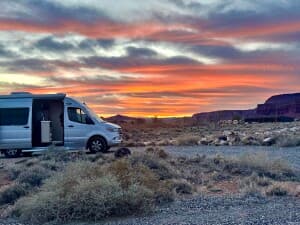
Red Rock Cidery Retreat
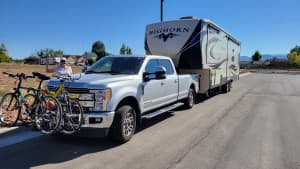
Western Steakhouse & Coffee Bistro
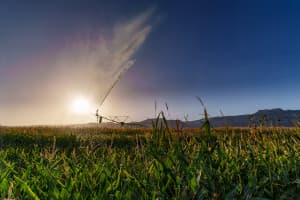
Family-Run Working Farm Retreat

Southwest Bar & Grill Roadside Retreat

High Desert Guest Ranch Retreat

Art Gallery and Orchard Retreat

Alpaca Fiber Farm & Craft Shop Getaway

Boondockers Welcome Host




