Sign Up For 15% Off HERE
Along the eastern California-western border lies Death Valley National Park, one of the hottest parks you'll visit. Despite sizzling temperatures (1913 of 134 degrees Fahrenheit), more than 1.3 million people visit this national park annually. Must-see attractions include the Mesquite Flat Sand Dunes, Dantes View, Zabriskie Point, and Mosaic Canyon. While much of Death Valley is arid , park elevations range from 86 feet below sea level at Badwater Basin to more than 11,000 feet at the summit of Telescope Peak. As you're RV camping in Death Valley National Park, you might see all manner of snakes, desert iguanas, scorpions, and black widow spiders. Furrier creatures include bobcats, foxes, mountain lions, mule deer, wild horses, and desert bighorn, not to mention the invasive burros that roam the park. Harvest Hosts has plenty of locations within an hour of the entrances where you can park your RV overnight at a working farm, brewery, or distillery.
Harvest Hosts is a membership program for RV camping: unlock unlimited overnight stays at thousands of locations.
Learn MoreDeath Valley National Park qualifies as an off-season park, meaning it's still open when most other national parks are closed or have limited services due to weather. Open year-round, the park is best experienced in the early morning versus mid-afternoon or even later in the day. Likewise, unless your travel plans dictate it, avoid visiting Death Valley from May through September, as fewer campgrounds are open and nightly temperatures remain in the triple digits. If you do visit in the summertime, hike the peaks for slightly cooler conditions. Most people visit between October and April to hike and explore; park campgrounds fill up quickly, especially on weekends.
Death Valley National Park's sweltering temperatures certainly make a day along the California coastline seem like a dream, but Long Beach and Santa Barbara are several hours away. However, the glittering lights of Las Vegas are only a two-hour drive east over the Nevada border, along with the Goldwell Open Air Museum, a unique collection of artwork exposed to the elements. Drive through Vegas to Zion National Park, or head north of Death Valley on Highway 395 to explore Yosemite National Park. Further south lies Tecopa Hot Springs, and just east of the park sits the Amargosa River Natural Area. California gateway cities into Death Valley National Park include Trona, Lone Pine, and Olancha on the west side, and Shoshone and Death Valley Junction on the east side. Beatty, Nevada, is the closest gateway city along the eastern border.
Inside the park. RV camping in Death Valley National Park is most popular in Furnace Creek Campground, one of the park's largest and also open year-round. RVs up to 100 feet are permitted, although these larger sites are often limited. This is the only site with full hookups, as all other campgrounds lack services. Sunset and Stovepipe Wells Campgrounds don't list RV restrictions, but Texas Springs and Mesquite Springs Campgrounds limit RVs to 35 feet. Wildrose Campground, which sits high in the Panamint Mountains via a steep access road, permits RVs up to 25 feet. Mahogany Flats and Thorndike Campgrounds aren't necessarily RV-friendly, and Emigrant Campground offers tent-only camping.
Tips on reserving a campsite. Reserve your campsite in Furnace Creek Campground up to six months in advance if you plan on visiting between the middle of October and the middle of April. Sunset, Stovepipe Wells, and Texas Springs Campgrounds close in late fall and reopen mid-April, so finding a spot might be harder during the late and early months of the year.
Camping outside the park with Harvest Hosts. It's worth spending a few days RV camping in Death Valley National Park, but many RVers prefer to stay in nearby towns to access full hookups (i.e., air conditioning). California attracts visitors year-round, so competition for close-by campgrounds can be stiff during tourist season. Harvest Hosts offers a less-competitive and often more-rewarding experience: no camping fees for parking on private property in exchange for patronizing a local brewery, attraction, distillery, or working farm.
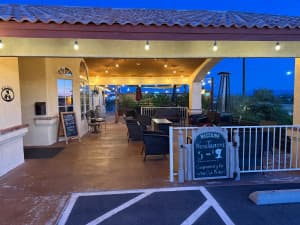
Boutique Nevada Winery Retreat

Desert Ranch Oasis

Desert Church Retreat with Hookups

Quiet Ranch RV Retreat
Rustic Dive Bar & Grill Retreat

Desert Oasis RV Retreat

Harvest Hosts Farm




