Sign Up For 15% Off HERE
Every year, over 400,000 people travel to Alaska to visit Glacier Bay National Park and see its remarkable tidewater glaciers. This 3.3-million-acre national park sits along the eastern part of the Gulf of Alaska, just south of Tatshenshini-Alsek Provincial Park in Canada. Famous glaciers include Johns Hopkins, Lamplugh, Carroll, and Reid, as well as the Margerie and Grand Pacific Glaciers. Glacier Bay National Park is Homeland to the Yakutat Lingit and Huna people and home to mountain goats, brown and black bears, humpback whales, eagles, sea lions, seals, wolves, and Sitka black-tailed deer. RV camping may not be available in this national park, but it's still well worth the trip if you can make it. Harvest Hosts has locations around Anchorage and across Alaska where you can park your RV overnight at a working farm, brewery, or distillery.
Harvest Hosts is a membership program for RV camping: unlock unlimited overnight stays at thousands of locations.
Learn MoreIf you can't plan a trip to Glacier Bay National Park via plane, it's worth checking out cruise schedules to see what dates are available. Although the park is open year-round, weather conditions during the winter and early spring (December through March) often limit access and travel. However, visiting in February increases your chances of seeing killer and humpback whales. During April, May, and June (the driest months), young fawns and bear cubs take their first steps. In the busy summer season, visitors can also catch a glimpse of humpback whales and all manner of sea mammals. September and October bring both increased rainfall and the rutting season for moose and mountain goats.
Many people visit Glacier Bay National Park and Preserve by cruise ship via the Gulf of Alaska or by flying into Gustavus from Juneau. Visitors can certainly add exploring parts of southern Alaska to their itinerary, although most destinations require either aircraft or watercraft transit. South of Juneau lies the Tongass National Forest on the northern tip of Kupreanof Island, one of many islands of various sizes that comprise Alaska's southern coastline. Further north along the Gulf of Alaska lie Anchorage and Kodiak Island.
Inside the park. RV campgrounds in Alaska are very few in number comparatively, and those closest to Glacier Bay National Park are no exception. Visitors can only camp in the park at Bartlett Cove Campground, a first-come, first-served site named for the nearby coastal inlet. Arrive at this walk-in-only campground via a single eight-mile road from Gustavus. Campers must complete an application for a free permit to camp between May 1 and September 30.
Tips on reserving a campsite. Even if you're not used to camping without an RV, it's worth staying in Glacier Bay National Park's Bartlett Cove Campground for a few days. Backcountry camping isn't for everyone, especially if you don't have experience staying self-sufficient (and in frigid temperatures on top of that).
Camping outside the park with Harvest Hosts. Because of the lack of RV camping in Glacier Bay National Park, RVers typically either leave their rigs in the lower 48 or base camp in Anchorage, Alaska. While this northernmost state has become more populated over the years, it's still relatively remote compared to areas around most national parks. Harvest Hosts in Anchorage and the surrounding towns offer no-fee camping on private property in exchange for patronizing their working farms, distilleries, attractions, and breweries.
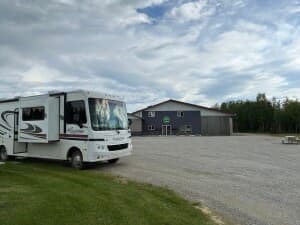
Alaskan Ranch & Butcher Shop

Coastal Craft Brewery and Tasting Room

Family Farm & Greenhouse Getaway

Riverside Glamping and Event Retreat

Tiny House Sanctuary by Chugach Forest

Scenic Floatplane Lake Base

Scenic Mountain Golf Course Retreat
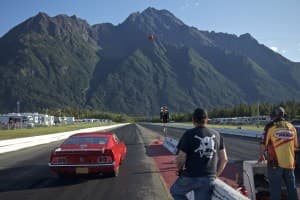
Mountain Motorsports Raceway Park

Scenic Anglers Retreat & RV Park

Scenic Riverside Community Garden

Exclusive Test Farm Location




