Sign Up For 15% Off HERE

Corinna B
3 days ago
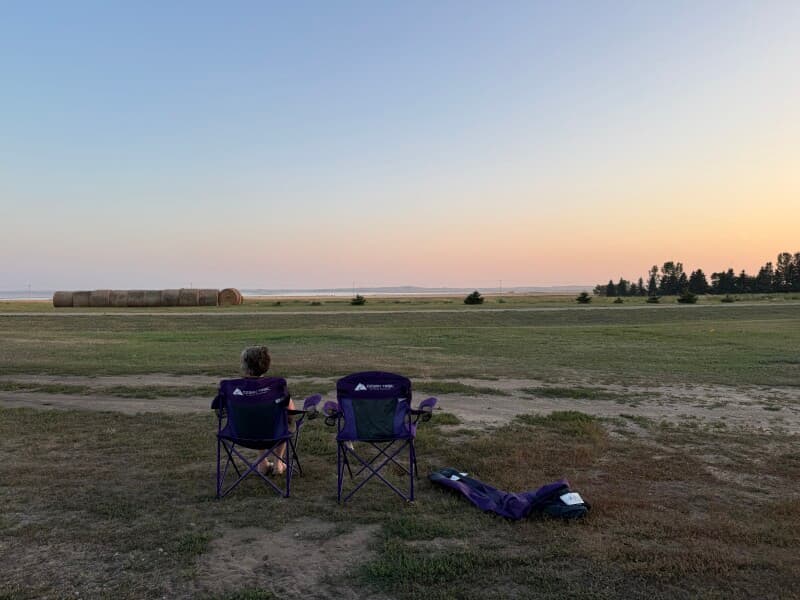
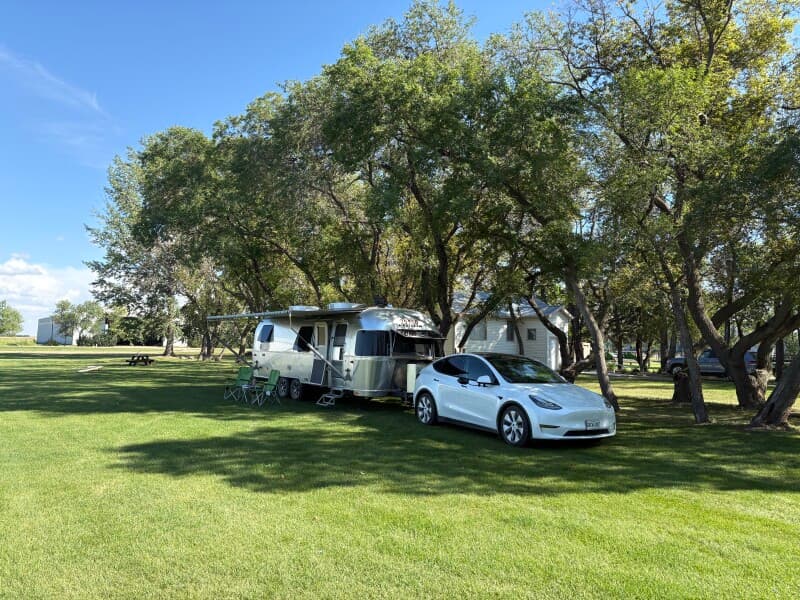
What a lovely overnight stop on our way to Calgary! We stayed at Cypress Hills Winery and enjoyed the dog-friendly outdoor patio, tasting all the wines, and the flatbread pizza as the perfect pairing. The best part was how quiet it was at night-being able to look up and see the stars again was absolutely beautiful and peaceful. This is definitely the way to travel-Thank you!
Historic Saskatchewan Winery Retreat
Harvest Hosts is a membership program for RV camping: unlock unlimited overnight stays at 41 Saskatchewan locations, and thousands more.
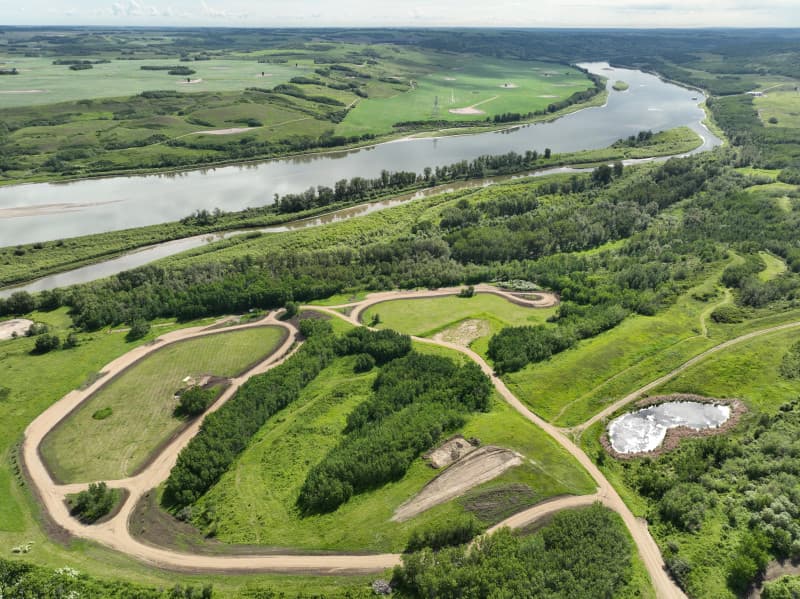
Learn MoreThe Qu'Appelle Valley cuts through southern Saskatchewan with lakes, wooded slopes, small communities, and provincial parks — a visually different landscape from the open prairie surrounding it. Fort Qu'Appelle, Echo Valley Provincial Park, and nearby communities can form a relaxed route between Regina and eastern Saskatchewan, while Moose Mountain Provincial Park farther southeast adds forest, lakes, and camping near Kenosee Lake. Weekend sites near popular lakes can book quickly during summer, so make provincial park reservations in advance when possible; most nightly camping reservations are handled through the provincial online system.
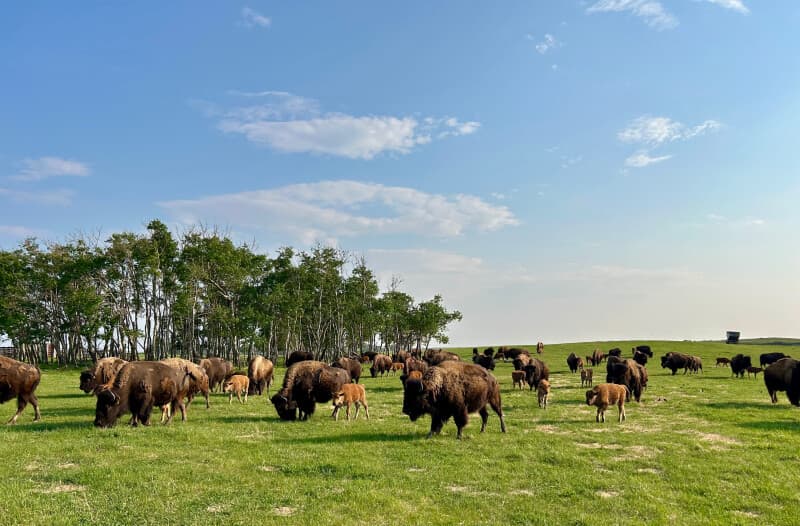
The highest point between the Rockies and Labrador rises green from the shortgrass prairie, with a historic winery in its shadow and some of Canada's darkest certified night skies overhead. Grasslands National Park's bison and badlands complete the southwest's quiet case.
Saskatoon combines riverside trails, restaurants, museums, and easy access to agricultural communities throughout central Saskatchewan. Just north of the city, Wanuskewin Heritage Park is one of the province's most important cultural destinations — a gathering place for Northern Plains Indigenous peoples for more than 6,000 years, with exhibits, walking trails, bison, galleries, cultural programming, and contemporary Indigenous cuisine. It's a National Historic Site working toward UNESCO World Heritage designation; allow at least several hours and check the event calendar before arriving, since programming and occasional closures vary.
Batoche National Historic Site sits roughly one hour north of Saskatoon along the South Saskatchewan River, sharing the history of the Métis community of Batoche, the Northwest Resistance of 1885, and the continuing resilience and cultural renewal of Métis people. The site is more than a battlefield — visitors can explore historic buildings, trails, exhibits, and cultural interpretation developed in partnership with Métis communities. It combines well with a route between Saskatoon and Prince Albert National Park; operating dates and hours are seasonal, so confirm before making the drive.
Prince Albert National Park marks the transition from prairie to mixed-wood boreal forest, with Waskesiu Lake serving as the park's main visitor hub — beaches, trails, wildlife viewing, boating, and campground services. The park has five vehicle-accessible campgrounds ranging from fully serviced RV sites to basic lakeside camping; some smaller campgrounds limit camping units to approximately 27 feet, so review site dimensions instead of assuming every campground can handle a large rig. Most front-country campgrounds operate from approximately mid-May through mid-October, with services and kiosk hours decreasing after Labour Day, and reservations are recommended for the main serviced campgrounds. Wildlife may include elk, black bears, and other large animals, so secure food, garbage, and pet food according to Parks Canada rules.
Northern Saskatchewan shouldn't be omitted — north of Prince Albert, the province shifts into boreal forest, lakes, rivers, and more remote communities. Meadow Lake Provincial Park, Lac La Ronge Provincial Park, and other northern destinations offer paddling, fishing, hiking, and quieter camping, and Indigenous tourism experiences are growing in the Meadow Lake region, where Cree and Dene communities share connections to the land through locally led programming. Expect longer distances between fuel, groceries, medical care, and repair services — cellular reception may be limited, and wildfire activity can alter routes or close campgrounds with little notice.
Crossing borders? Browse hosts in neighboring Alberta and Manitoba, or south into Montana and North Dakota.
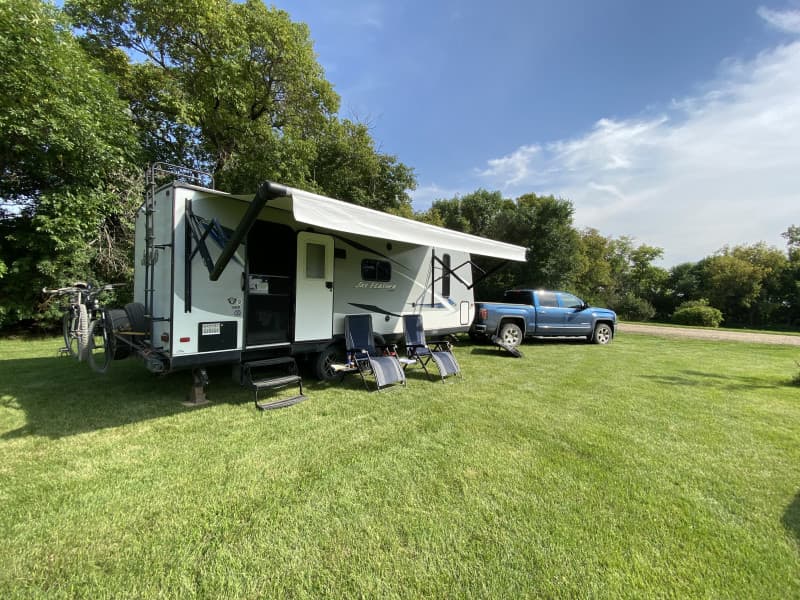
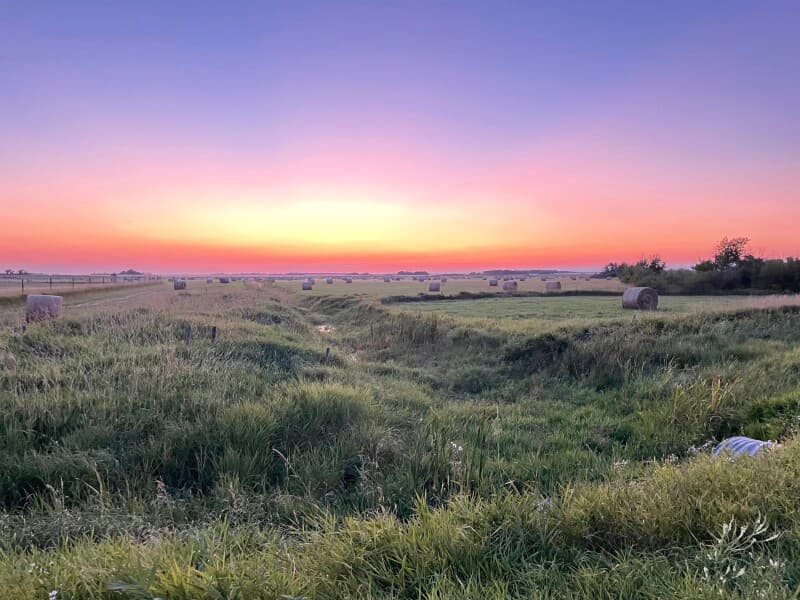
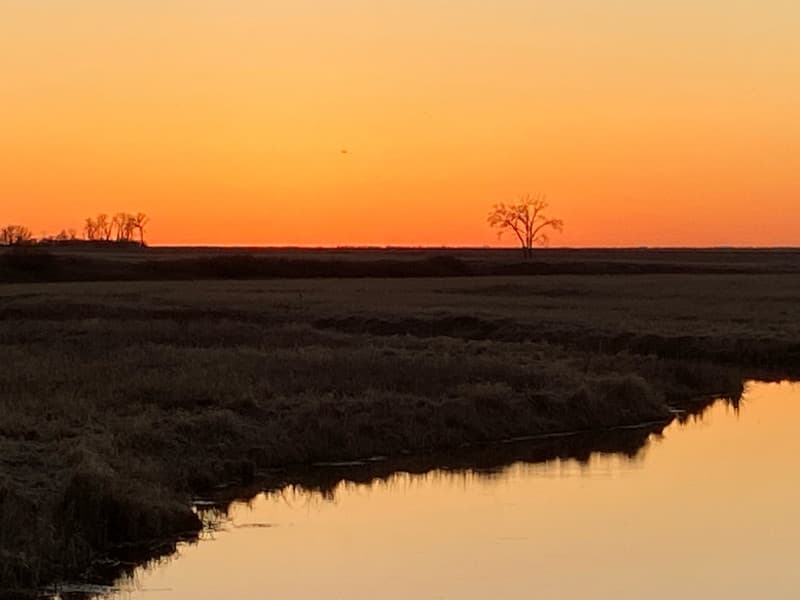
Saskatchewan rewards travelers who slow down and look beyond the Trans-Canada Highway. The province combines open prairie, rolling ranch country, badlands, boreal forest, thousands of lakes, vibrant cities, and some of Canada's darkest night skies. Saskatchewan's license plates promise the Land of Living Skies, and the province delivers nightly — sunsets that fill 180 degrees, northern lights with no competition, and storm fronts you can watch arrive for an hour. Saskatchewan has 41 Harvest Hosts locations offering overnight RV stays at garden centres, prairie wineries, and visitor attractions across the province. Member favorites include Year-Round Family Fun Garden Retreat, Historic Saskatchewan Winery Retreat, and Year-Round Visitor Centre Stopover — the province's three most-booked hosts. Members can choose from 13 farm stays and 2 wineries province-wide.
Lynna R
6 days ago
Such a gem of a place! Quiet with a wonderful farm setting. Best ice cream ever. We highly recommend the farm tour. Definitely recommend!
Scenic Farm Creamery & Meat Market

Century-Old Saskatchewan Grain Farm

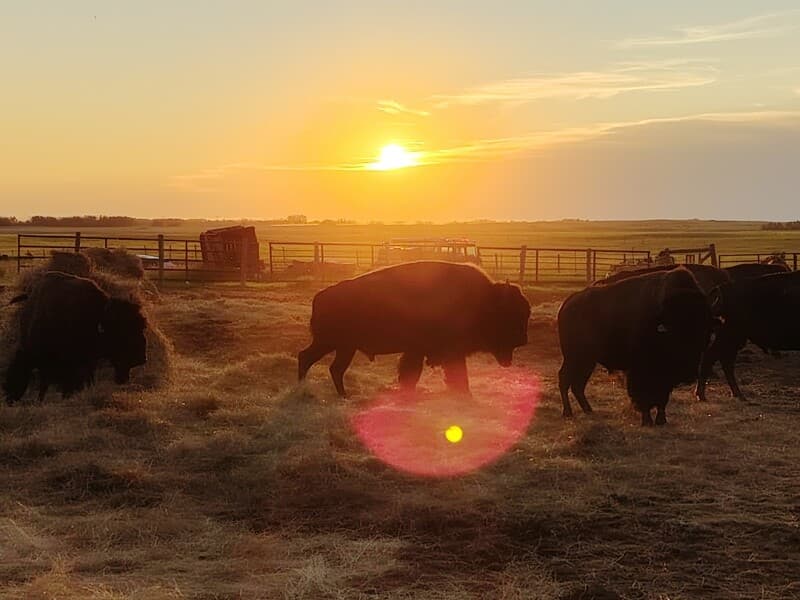
Serene Plains Bison Farm

Eclectic Roadside Store & B&B Retreat

Family Farm Stay with Fishing & Kayaking

Scenic Farm Creamery & Meat Market

Sustainable Oil Mill & EV Charging Stop

Historic Pioneer Village & Museum

Lakeside Family Fun Park

Artisan Distillery and RV Haven

Pioneer Village Museum & Bison Ranch

Prairie History Museum & Outdoor Village

Expansive Craft Brewery Retreat

Year-Round Visitor Centre Stopover

Year-Round Family Fun Garden Retreat

Historic Saskatchewan Winery Retreat
Prairie History Museum & Outdoor Village