Sign Up For 15% Off HERE
The National Park Service operates both Sequoia National Park and its sister park, Kings Canyon, as a single unit for several reasons, the least of which is their proximity. Both national parks are located near the California-Nevada border, but Sequoia is the more frequented of the two. Known for the Giant Forest of towering sequoia trees, this national park is also home to Mineral King, Hospital Rock, Crescent Meadow, Moro Rock, Amphitheater Point, and Beetle Rock. However, it's most famous for the , a Giant Sequoia whose trunk weighs an estimated 1,400 tons. As you're RV camping in Sequoia National Park, you can catch a glimpse of black bears, pikas, bats, mountain lions, and mule deer. Harvest Hosts has plenty of locations within an hour of the entrances where you can park your RV overnight at a working farm, brewery, or distillery.
Harvest Hosts is a membership program for RV camping: unlock unlimited overnight stays at thousands of locations.
Learn MoreAs is the case with Kings Canyon National Park, Sequoia National Park is open year-round, and typically busiest during the summer. If you want to avoid the crowds, get to the park before 8 a.m. or plan to visit during the week. Cooler temperatures make spring and fall pleasant times to visit if you're looking for a quieter hike, especially in May and September. The first snow falls in the park during late October, signalling reduced services and the pending closure of certain park locations. Blooming wildflowers often indicate spring isn't far away, and can be an impressive sight to behold on early spring hikes as the snow melts.
Gateway cities to Sequoia National Park include Three Rivers and Visalia. Lake Kaweah, the Giant Sequoia National Monument, and Kern National Wildlife Refuge are located nearby. Explore the South Sierra and Golden Trout Wildernesses, or make it a point to visit the Sequoia National Forest. This attraction features over 50 campgrounds, nearly 1,200 miles of trails, and over 150 lakes and ponds. Popular locations include The Trail of 100 Giants and the Kern and Kings Rivers. Joshua Tree National Park, Death Valley National Park, and Yosemite National Park are also in the state of California.
Inside the park. Three campgrounds support RV camping in Sequoia National Park: Potwisha, Lodgepole, and Dorst Creek. Potwisha is the only one open year-round, and RVs are limited to 24 feet. Campsites are located along the Middle Fork of the Kaweah River (mostly on a slope), but see little snow in the winter. Lodgepole Campground is open from May through November and sits within walking distance of Lodgepole Village. At 6,700 feet, it's snow-covered in spring and fall, and often frequented by bears. RVs are restricted to 40 feet here. In Dorst Creek, RVs of nearly any length are permitted. Visitors can get to the Giant Forest and Muir Grove Trail from this campground.
Tips on reserving a campsite. Avoid Buckeye Flat, Cold Springs, and Atwell Campgrounds, as they don't allow RVs. Potwisha, Lodgepole, and Dorst Creek Campgrounds require reservations, which can be made up to four months in advance (one month for Dorst Creek).
Camping outside the park with Harvest Hosts. Since none of the in-park campgrounds offer hookups, most RVers camp outside the park boundaries. While RV campgrounds in California may offer more amenities than you'd find in other states, pricing and availability can vary depending on the season. Harvest Hosts simplifies camping arrangements by partnering with business owners of local working farms, breweries, attractions, and distilleries. In exchange for parking on their private property, RVers enjoy no camping fees if they patronize these businesses.
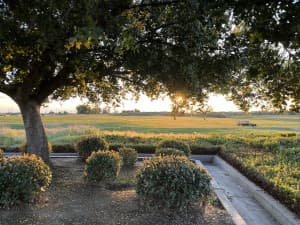
Upscale Championship-Style Golf Course Retreat

Countryside Citrus Farm Getaway

Luxury Glamping Vineyard Retreat

Hilltop Gourmet Ranch Retreat

Rustic Meadery & Farm Retreat

Foothills Farm RV Retreat

Family-Run Ranch RV Camping Getaway

Boondockers Welcome Host

Boondockers Welcome Host




